Renting in Dubai · 7 November 2026
Renting in Dubai: A Step-by-Step Guide for Tenants (2026)
From annual rent and cheques to deposits, Ejari and DEWA, here is what renting a home in Dubai actually involves and what to check before you pay anything.

Renting in Dubai looks simple from the listing: a price per year, a number of bedrooms, a community you like. The real cost and the real commitment only show up once you start paying deposits, writing cheques and signing the tenancy contract.
This guide walks through the full process, from setting a budget to getting the keys, so you know what to expect at each stage and which questions to ask before you hand over any money. If you are still deciding where to live, start with our guide to the best areas to live in Dubai.
Step 1: Set a realistic budget
Dubai rents are quoted per year, not per month. A listing at AED 120,000 means AED 120,000 for twelve months, usually paid in a small number of cheques rather than monthly instalments.
On top of the annual rent, budget for the upfront costs you will pay before you move in:
- Security deposit: commonly 5% of the annual rent for an unfurnished home and 10% for a furnished one. It is refundable at the end of the tenancy, less any agreed deductions for damage.
- Agency fee: typically 5% of the annual rent, plus VAT, when you rent through a broker.
- Ejari registration: usually a few hundred dirhams, depending on whether it is done online or at a typing centre.
- DEWA deposit: refundable, commonly around AED 2,000 for an apartment and AED 4,000 for a villa, plus a small connection fee.
- Chiller or district cooling deposit, in buildings that use a separate cooling provider.
- Moving costs, building move-in fees and any furniture you need.
A useful rule of thumb is to have roughly 15% to 20% of the annual rent in cash available on top of your first rent cheque. Fees change, so confirm the current figures with your broker before you commit.
Step 2: Understand the cheque system
Most Dubai landlords ask for the year's rent in post-dated cheques. One to four cheques is the most common arrangement, and the fewer cheques you offer, the more room you usually have to negotiate on price.
Some landlords and developers now accept more cheques, monthly payments or card payments, but it is not yet the norm. If cash flow matters, raise it at the offer stage rather than after terms are agreed.
You will need a UAE bank account and a chequebook. Write cheques carefully: a bounced rent cheque is a serious matter in the UAE, so never write one you are not certain will clear.
Step 3: Find the right home and check the paperwork
When you view a property, check the basics in person: water pressure, air conditioning, natural light, parking, noise, and the condition of the kitchen and bathrooms. Ask what the building's service charges cover, because some amenities may carry separate fees.
Before paying anything, confirm that the person you are dealing with has the right to rent the property to you. Ask to see:
- The title deed or a copy of it, showing the landlord's name.
- The landlord's passport or Emirates ID copy.
- A power of attorney, if someone other than the owner is signing.
- The broker's RERA registration, if you are renting through an agency.
A registered broker can confirm all of this for you and should be willing to show it without hesitation.
Step 4: Make an offer and sign the tenancy contract
Once you agree terms, the landlord or broker prepares the standard Dubai tenancy contract. Read it before you sign, including any addendum, which is where special terms usually sit: maintenance responsibilities, pets, early termination, subletting and who pays for what.
Points worth agreeing in writing:
- Who handles minor and major maintenance, and how quickly.
- The penalty for leaving early, commonly one or two months' rent.
- Whether the home will be painted or deep cleaned before you move in.
- What condition the property must be returned in to get the full deposit back.
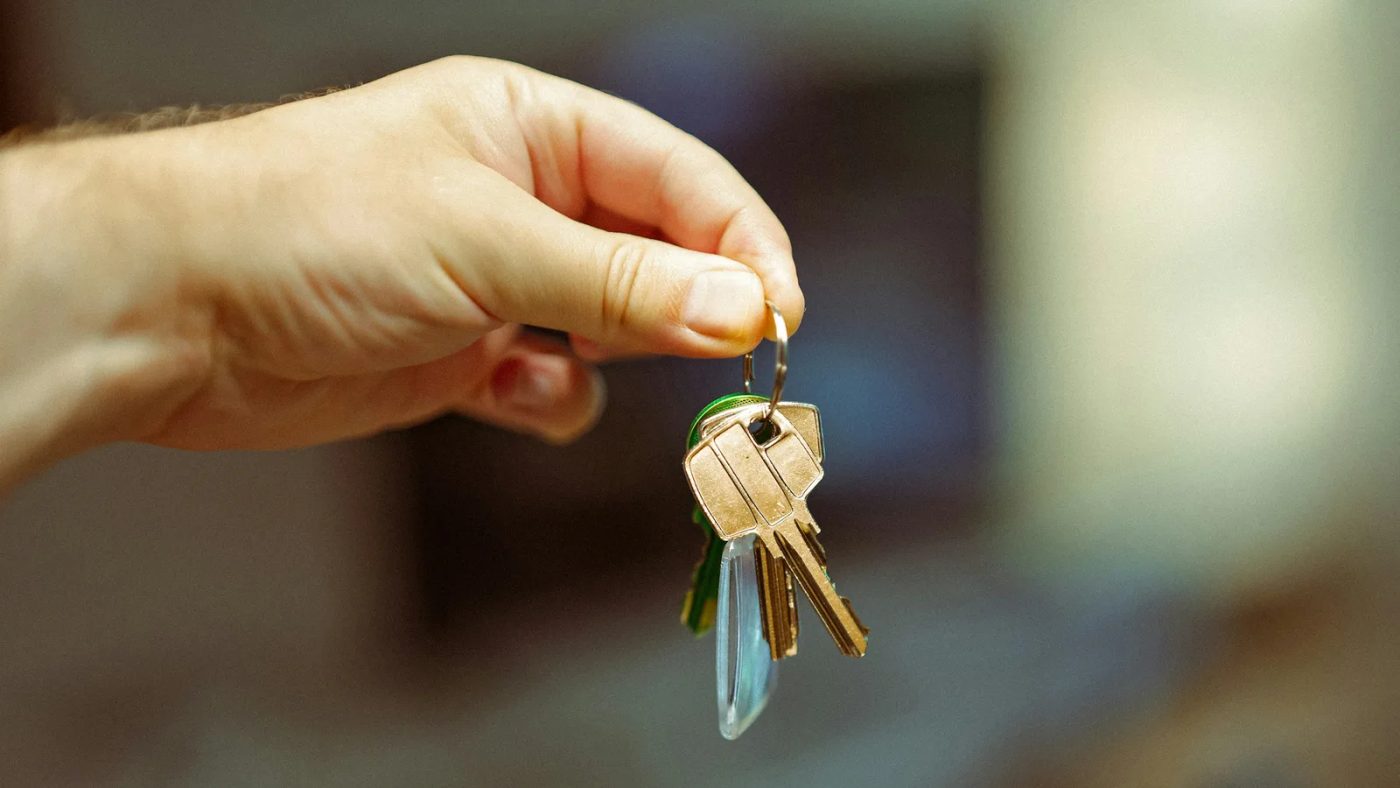
Take dated photos of every room on the day you receive the keys. They are the simplest way to settle any deposit discussion a year later.
Step 5: Register the contract with Ejari
Ejari is the Dubai Land Department system that registers tenancy contracts. Registration makes your contract official, and you will need the Ejari certificate to connect DEWA, sponsor family visas, and file any case at the Rental Disputes Centre.
Ejari is usually arranged by the broker or landlord, and it can also be done online through the Dubai REST app or at a real estate services trustee centre. Typical documents include:
- The signed tenancy contract.
- The tenant's Emirates ID, or passport and visa for new arrivals.
- The landlord's passport or Emirates ID copy.
- The title deed.
- The DEWA premises number for the property.
Step 6: Connect utilities and move in
With Ejari registered, you can activate DEWA for electricity and water. In many cases the account is linked during Ejari registration, and you only need to pay the deposit. Then arrange internet, any district cooling account and building access cards.
Most towers also ask for a move-in permit from building management, with set moving hours and sometimes a refundable damage deposit. Book this early, especially at the end of the month when lifts are in demand.
Knowing your rights as a tenant
Dubai's rental law gives tenants clear protections. The most useful ones to know:
- Rent increases are limited by the RERA rental index. Whether your landlord can raise the rent at renewal, and by how much, depends on how your current rent compares with the average for similar homes. Our RERA rental increase calculator guide explains how this works.
- Any change to the contract terms, including the rent, must be notified at least 90 days before the contract ends.
- A landlord who wants the property back at the end of the tenancy, for example to sell it or live in it, must give 12 months' notice through a notary public or registered mail.
- Disputes that cannot be settled directly go to the Rental Disputes Centre at the Dubai Land Department.
Renting or buying?
Many tenants who have been in Dubai for a few years find that their annual rent is close to what a mortgage payment would be on a similar home. Buying is not right for everyone, but it is worth running the numbers. Our guide to the real cost of buying property in Dubai sets out every fee involved.
Talk to a First Key broker
Whether you are renting your first home in Dubai or moving to a new community, a First Key broker can shortlist suitable homes, check the paperwork and handle Ejari for you. Get in touch and tell us what you are looking for.
This article is general guidance, not legal advice. Fees and rules change, so confirm current figures with the Dubai Land Department, DEWA or your broker before you commit.